
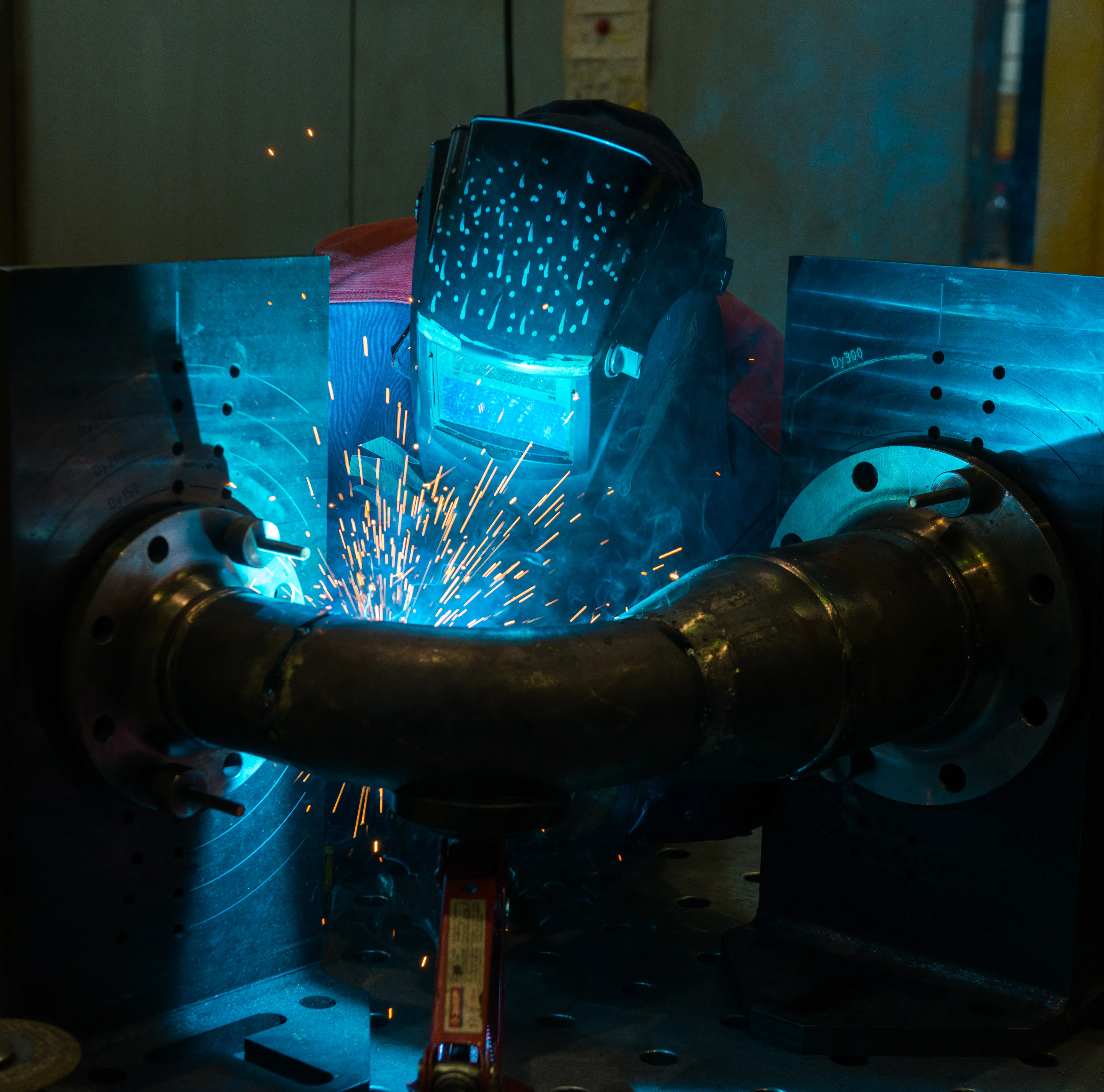
Welder Jobs in Europe – Opportunities for EU Passport Holders, EU Residents, and Non-EU Citizens
Work Legally as a Welder in Europe – Open to Applicants from Europe, Asia, Africa & the Middle East
Are you a skilled welder looking to start or grow your career in Europe? Whether you are already living in an EU country with a residence permit or applying from outside Europe, AtoZ Serwis Plus offers you a complete, legal pathway to work in some of the most in-demand welding positions across the continent.
Why Choose us?

Applicants
Over 5000+ Successful Applicants
Counseled
Counselled 4 Million+

Experts
Experts Since 2009
Offices
Corporate Headquarters Offices: Warsaw, Poland

Online Services
AtoZ Serwis Plus has websites in more than six European countries.
FAQs About Welder Jobs in Europe
Do you want to work as a professional welder in Europe? Apply now for legal welding jobs with certified qualifications such as MIG, TIG, or ARC welding. Get visa and work permit support, training recognition, and start your career with trusted employers across Europe.
What is the average salary for welders in Europe?
Welders in Europe earn between €1,500 and €3,500 per month, depending on country, experience, and type of welding. Nordic countries and Germany offer some of the highest wages.
Do non-EU citizens need a work permit to work as welders in Europe?
Yes. Non-EU welders must have a valid work permit and long-stay visa, usually sponsored by the employer.
Which visa is required for welders in Europe?
Most countries require a National Work Visa (D Visa), issued after the employer secures a work permit for you.
Is a welding certification required to work in Europe?
Yes. Recognised certifications such as ISO 9606, EN, AWS, or equivalent MIG/TIG/ARC certificates are often mandatory.
Can I apply for a welder job in Europe without experience?
Most employers require at least 2 years of welding experience, but trainee or junior positions may exist with lower pay.
Do employers in Europe provide accommodation for welders?
Yes, many companies offer free or subsidised housing, particularly for foreign workers.
Do I need to speak the local language to work as a welder in Europe?
Not always. English is often enough, but basic local language (Polish, German, Latvian, etc.) is helpful for workplace safety and communication.
What types of welding jobs are in high demand in Europe?
MIG, TIG, ARC, stainless steel welding, and pipe welding are among the most in-demand skills.
Do I need to convert my welding certificates in Europe?
Yes. Your foreign certificates may need to be translated and recognised by local authorities or tested in practical exams.
Can my employer cover travel and visa costs?
Many companies pay for visa fees, tickets, and insurance, while others deduct costs from your salary.
How long does the work permit process take?
It usually takes 6–12 weeks, depending on the country and workload of the immigration office.
Can welders in Europe apply for permanent residency later?
Yes. After working legally for several years, welders can apply for residency or even EU citizenship, depending on the country.
Is overtime common for welders in Europe?
Yes. Welders often work overtime, paid at 125–150% of base hourly rates.
Do European employers provide health insurance?
Yes. Health insurance is mandatory in all EU countries, and employers must provide it.
What age limit applies to welding jobs in Europe?
Most employers hire welders between 21 and 50 years old, but it depends on the company and country.
Can welders bring their families to Europe?
Yes, with a valid residence permit, welders can apply for family reunification.
Are female welders hired in Europe?
Yes. Welding is open to both men and women, though most workers are male. Employers welcome skilled female welders.
What documents are needed to apply for a welder job in Europe?
Commonly required: passport, CV, welding certificates, work experience letters, police clearance, medical certificate, and passport-size photos.
How can welders find jobs in Europe through AtoZ Serwis Plus?
By registering on the Welder Job Application Form, submitting CV + certificates, and letting AtoZ Serwis Plus match them with verified European employers.
Which European countries hire the most foreign welders?
Poland, Germany, Latvia, Lithuania, Finland, Denmark, and the Netherlands are leading destinations for foreign welders.
Copyright © 2009-2026 AtoZ Serwis Plus. All Rights Reserved.